Degtyarsk is an industrial city of
Russia. The main industry there is mining and processing of copper. They
also have a garment factory and a bakery there. Degtyarsk is often
characterized by its red lakes and slagheaps. We gonna show some
abandoned shops and mines of the city.

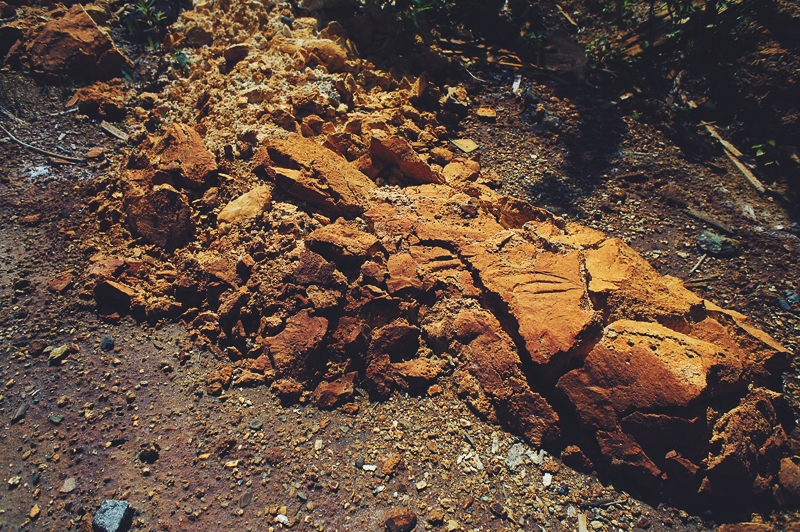
Slagheap of Kapitalnaya-1 mine.
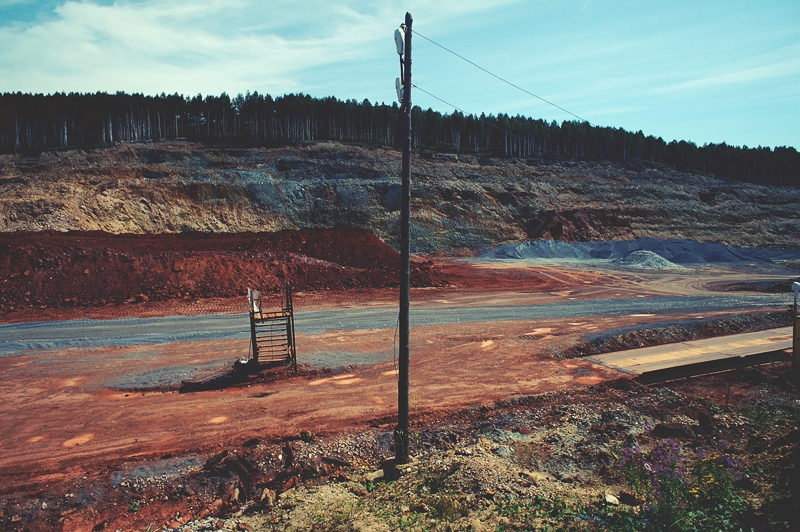
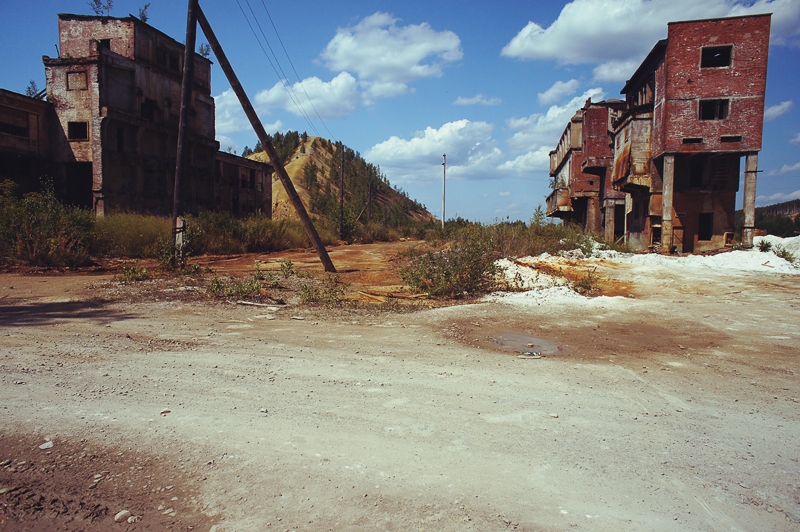
The quarry is still being developed. On the right you can see scales for trucks.
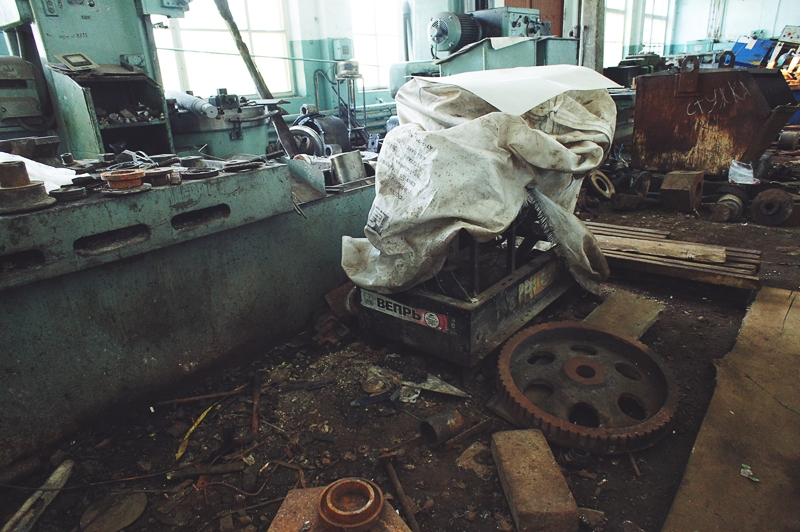
Diesel generatot “Vepr”.
The central mechanical repair shop of
the Degtyarsk Mining Group. It still functions but not at full. They
used to have a huge production of details for the needs of quarries
here. Today they are slowly selling everything but still make different
details at individual requests.
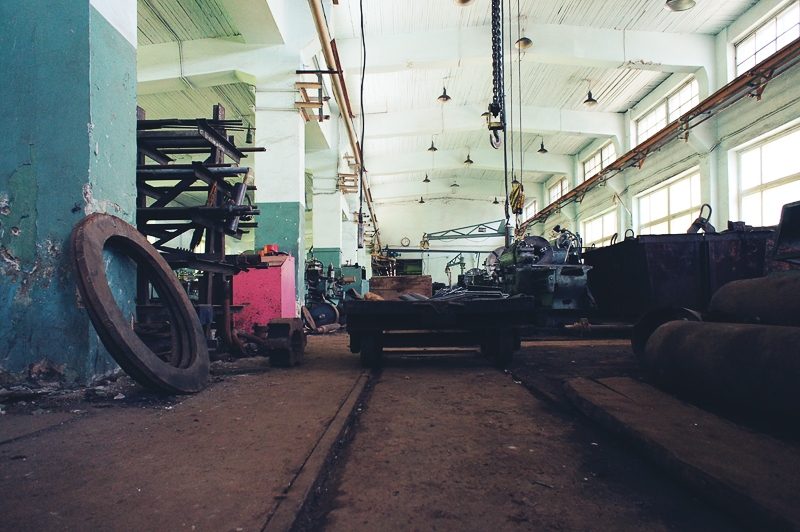
They have a lot of machines here: turning, milling, belt-type ones, etc.
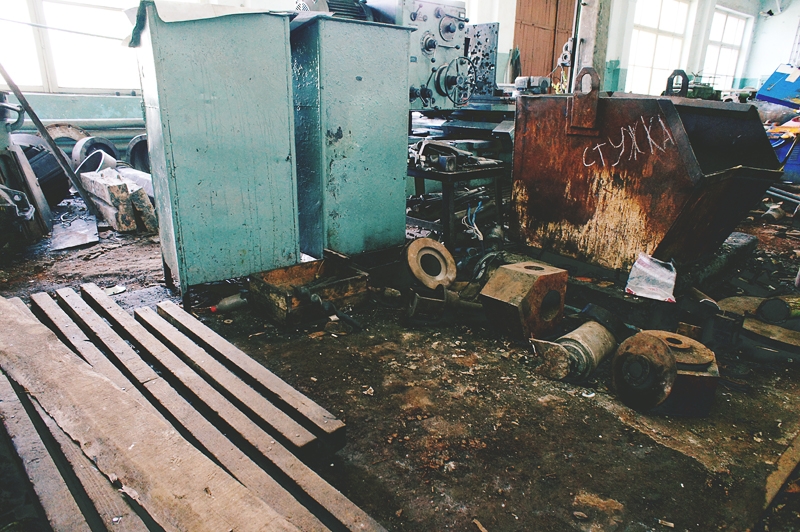
“Shavings”
The shop is big so it even has the rails
for trolleys and special platforms. There are also a lot of cranes:
each is in an operating condition.
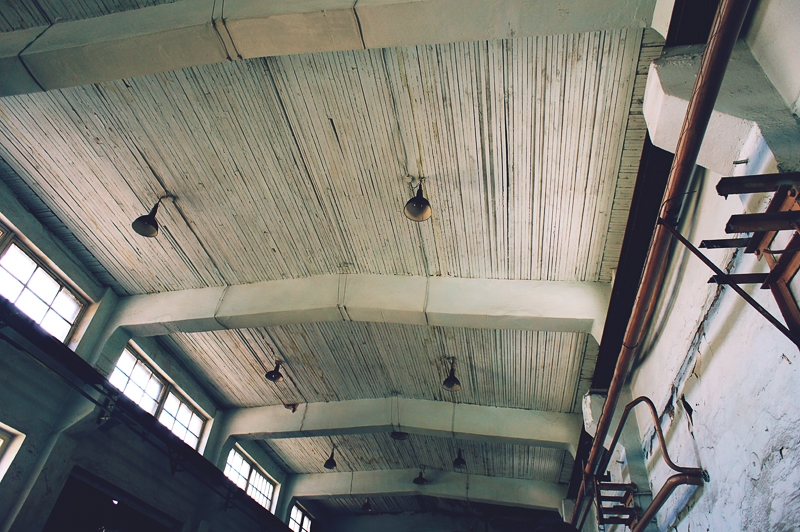
We wonder how long it takes to change a bulb if it hangs six meters high?
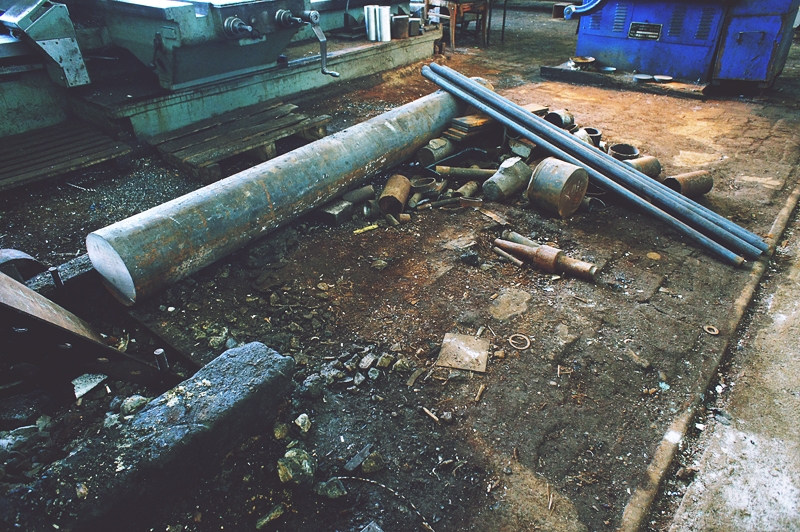
This thing weighing some hundreds of kilograms is used for making workpieces for future details.
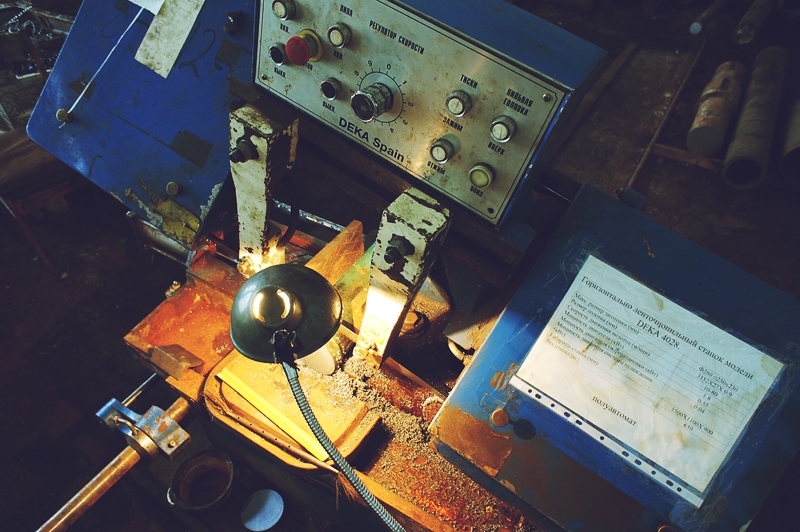
The only new machine in the shop: it makes metal workpieces.

Various tools left scattered around.
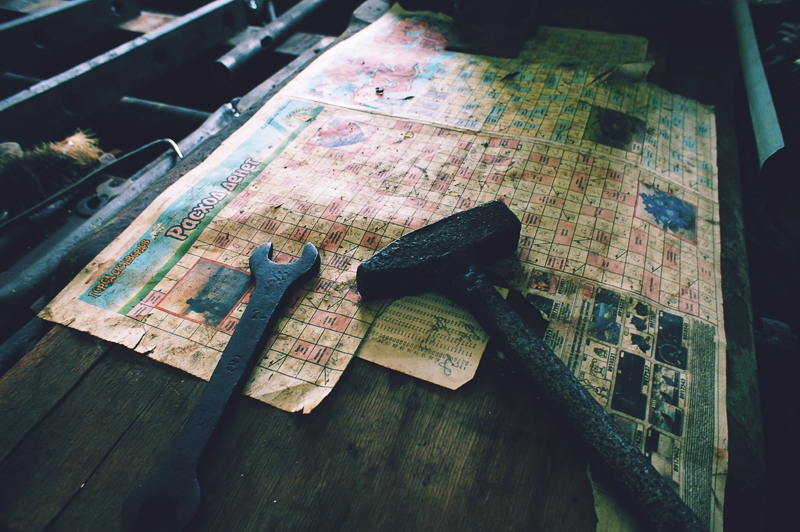
Some worker has left his crossword here.
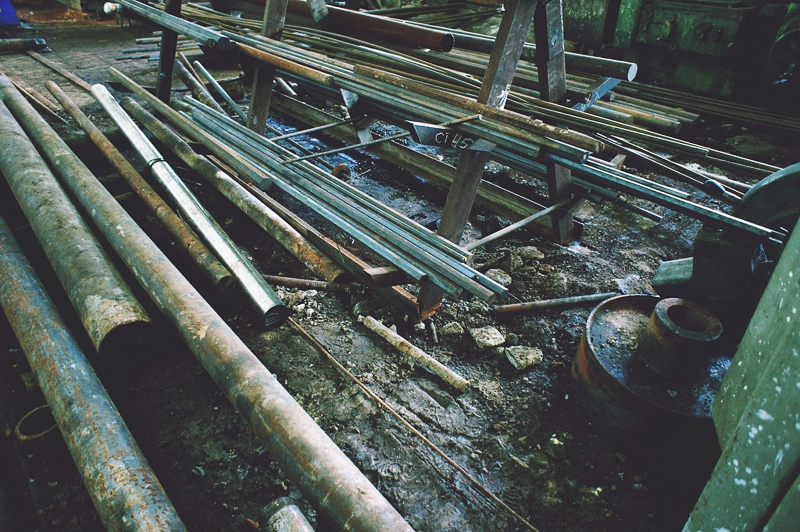
Pipes lay unneeded anymore.
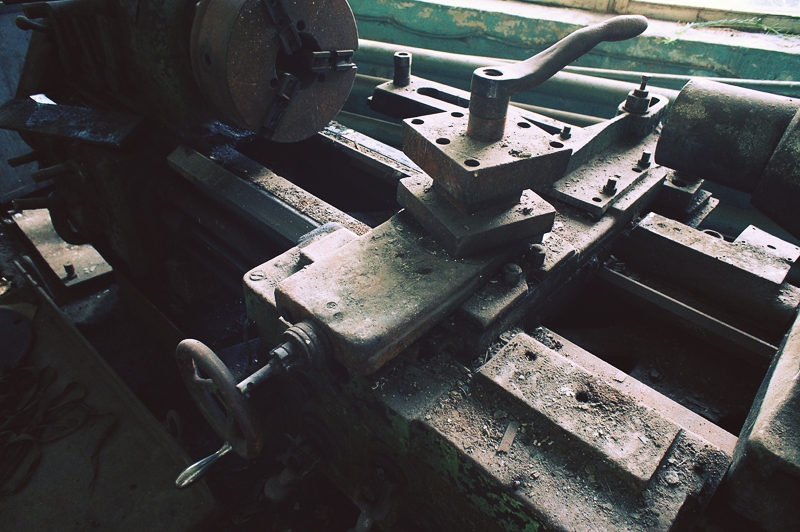
They have about fifteen turning machines.
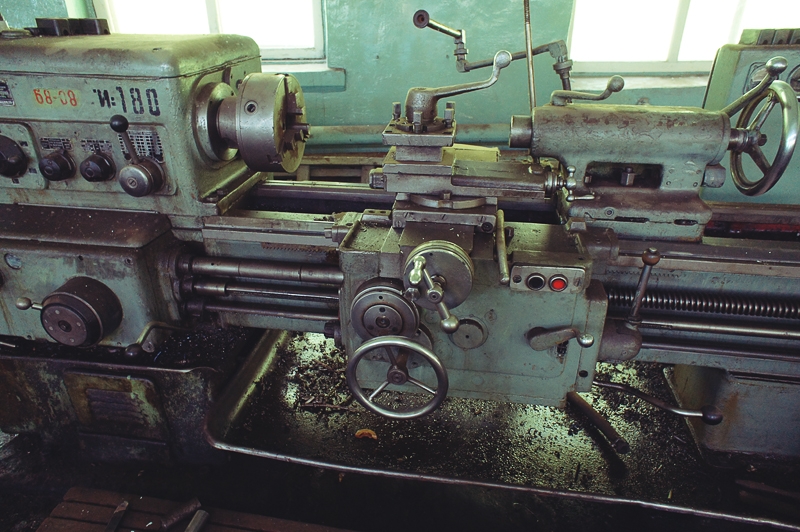
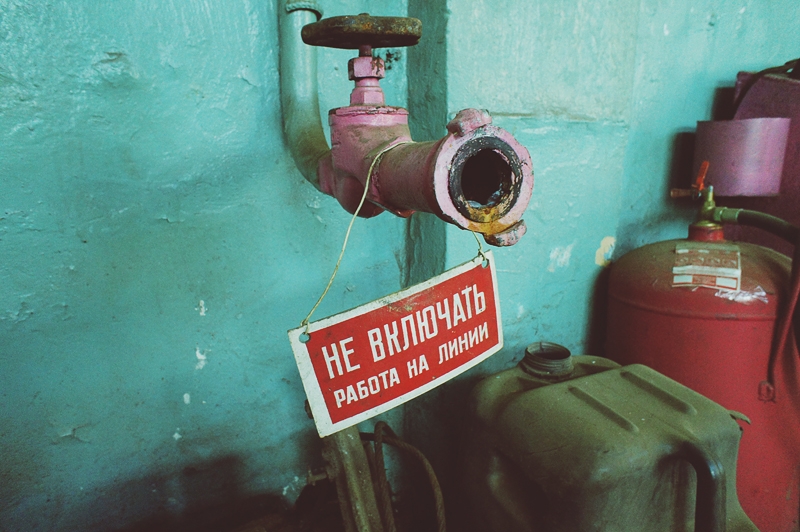
“Do not turn it on. Works are being done on the line”.
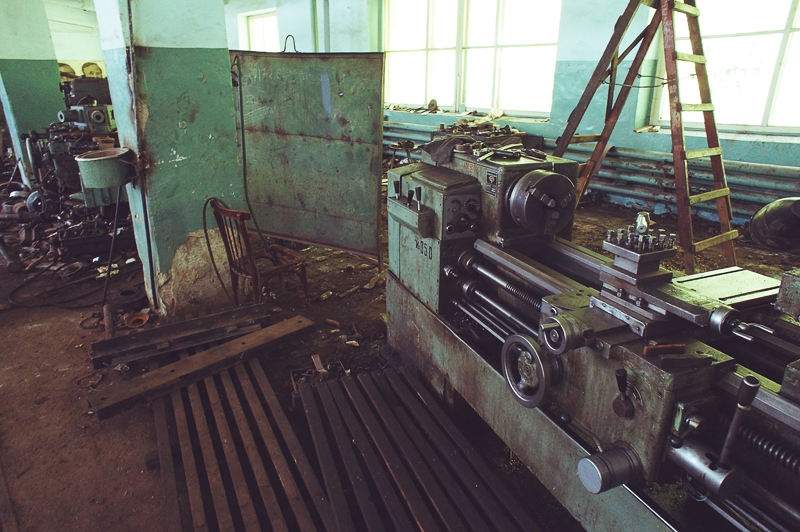
Here is another machine and a capacity for water to the left.
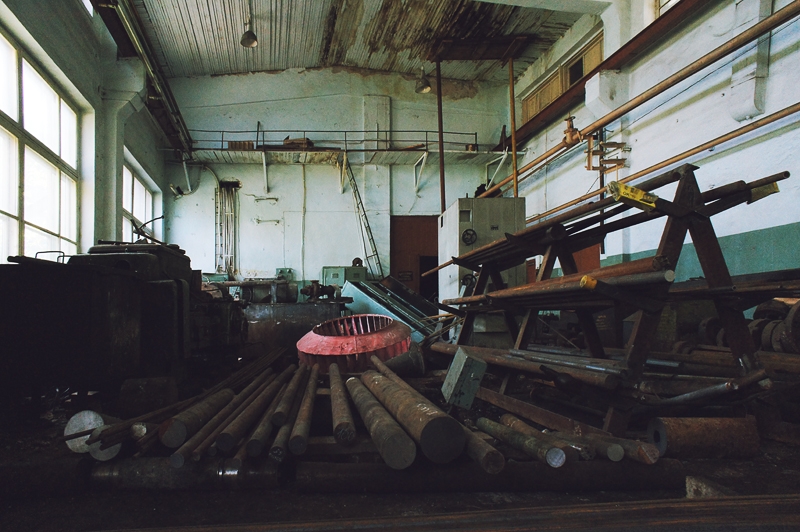
Ladder to the second floor.
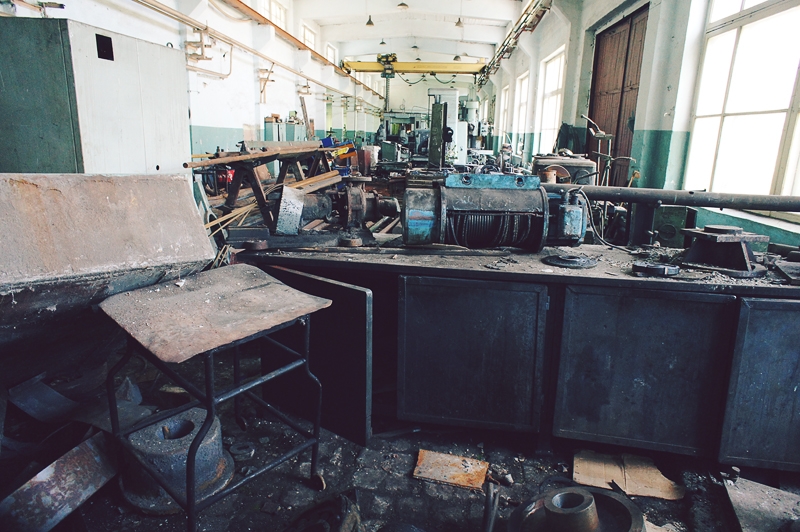
Seeing the shop for the last time and moving forward.
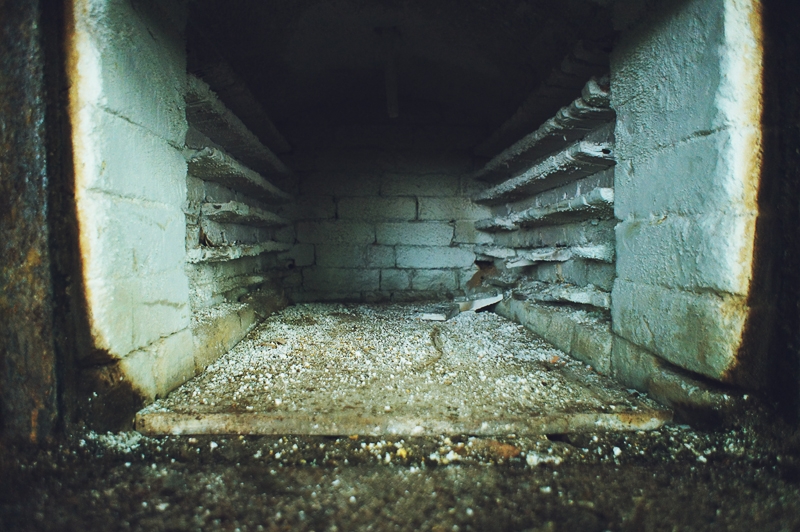
The furnace for burning details. They have two of them.
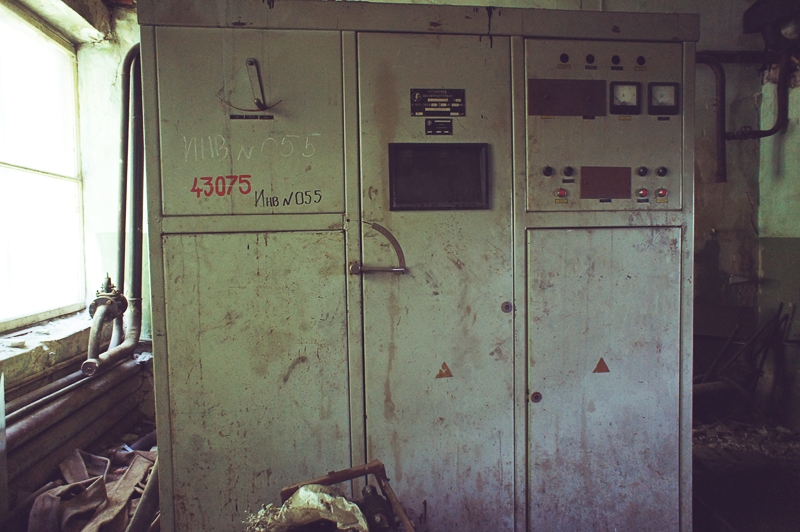
Each furnace has its own converter and a cooling system.
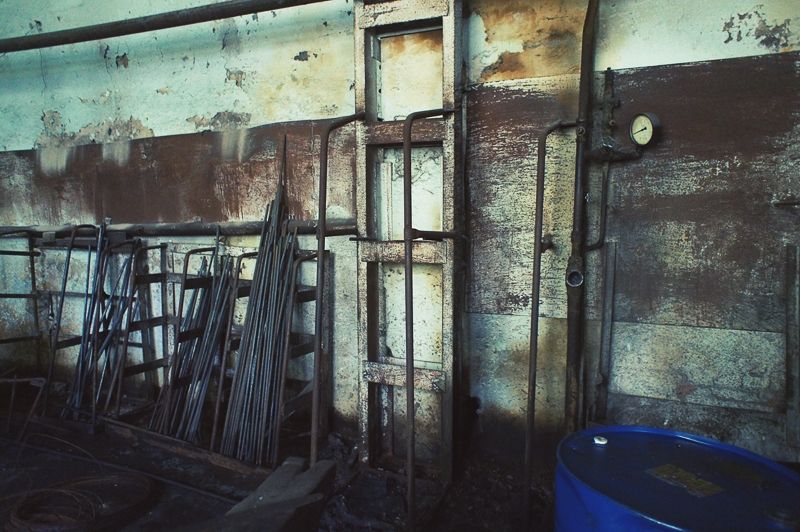
Here the details are tested. More often
they tested drills because their workload was huge and if a drill broke
it could break many other things around.
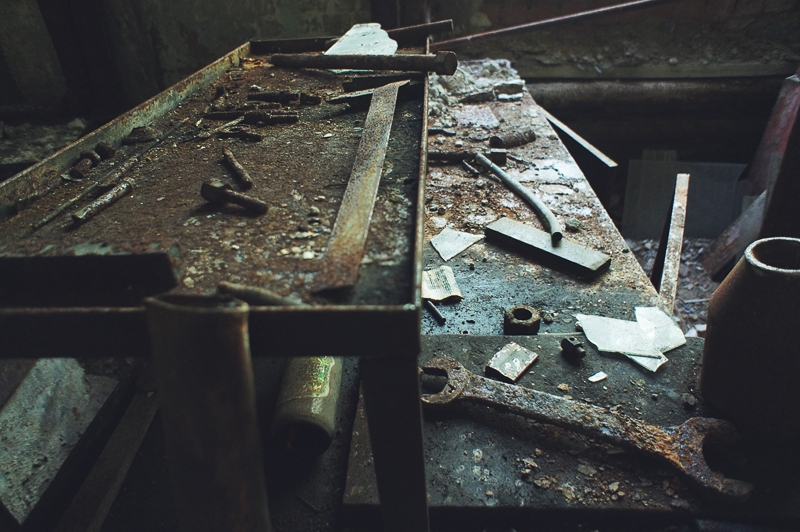
The table that was used for tests.
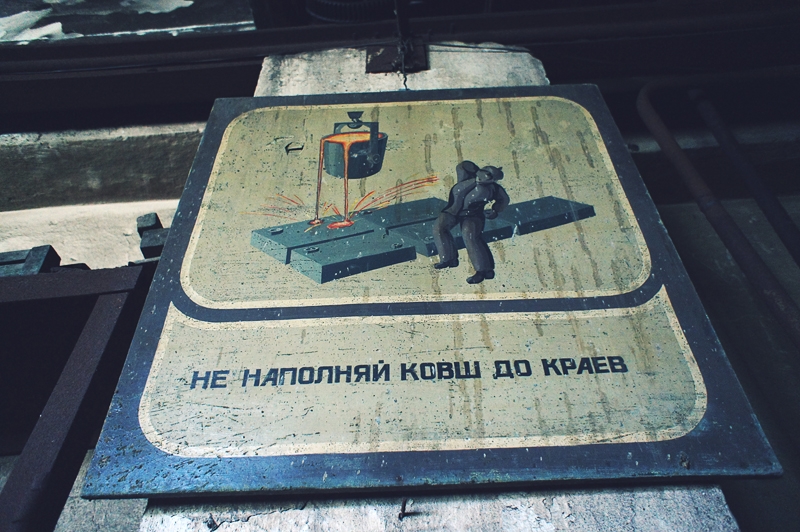
“Do not fill the bucket to the brim.” If
one fills it to the brim the metal can flow over and spoil everything
around including workpieces, who will pay for that? So, do not fill the
bucket to the brim!
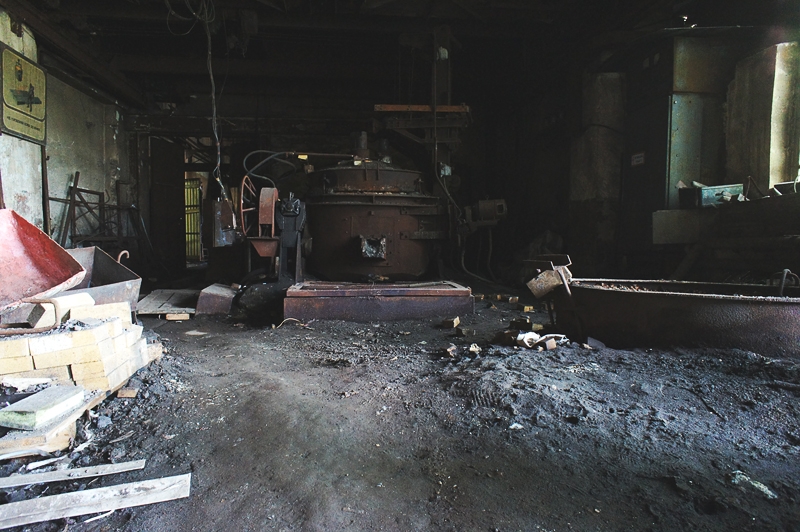
This is the furnace where metal is melted. Behind it is a transformator, nearby is a ventilation pipe half a meter thick.
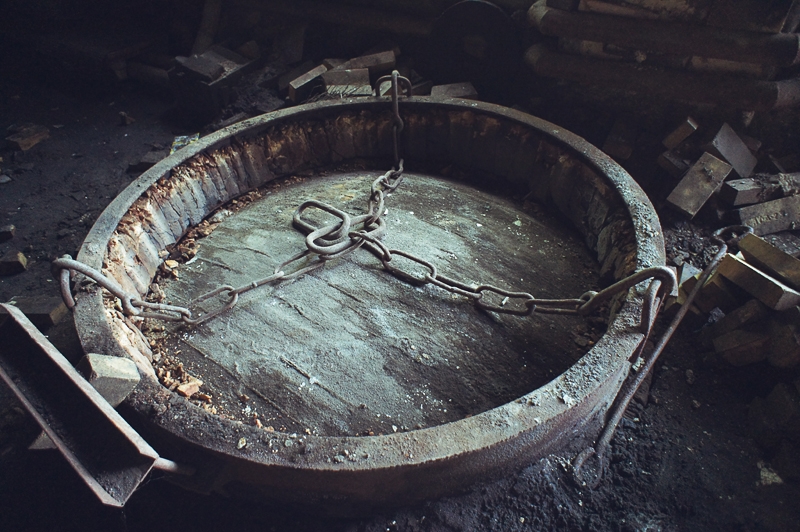
The bucket for metal is rather small.
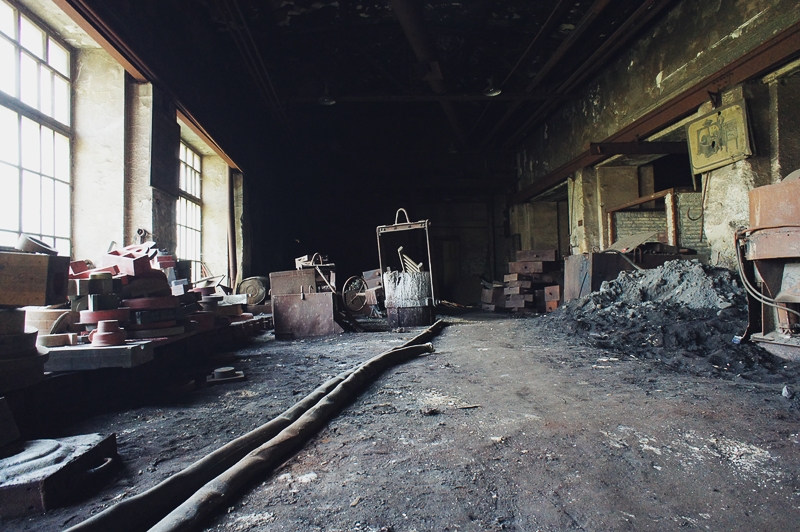
Fire hoses stretch to the furnace just
in case. All the floor is covered with molding sand, it was used for
casting details. There are also a lot of boxes with handles – flasks.
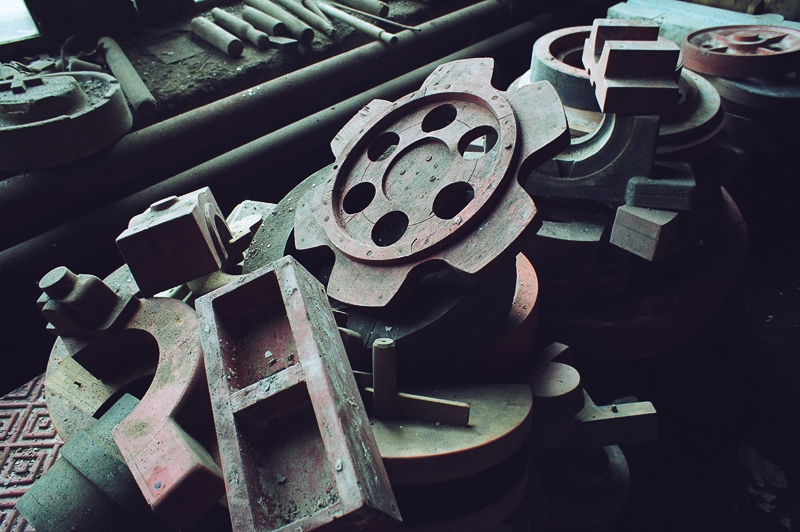
These are models. They used to be made
of wood. Today, in the worst case, they are made of plastic. But we
should say goodbye to the foundry and go further.
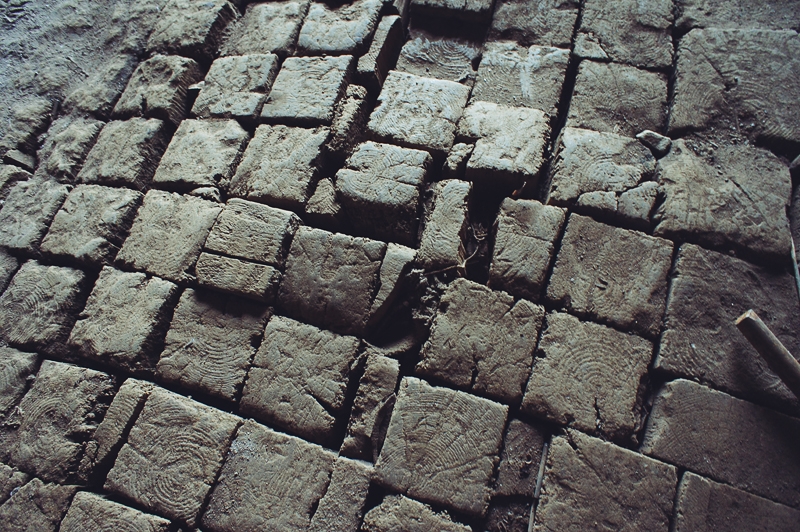
Firebrick floor is typical for such a place.
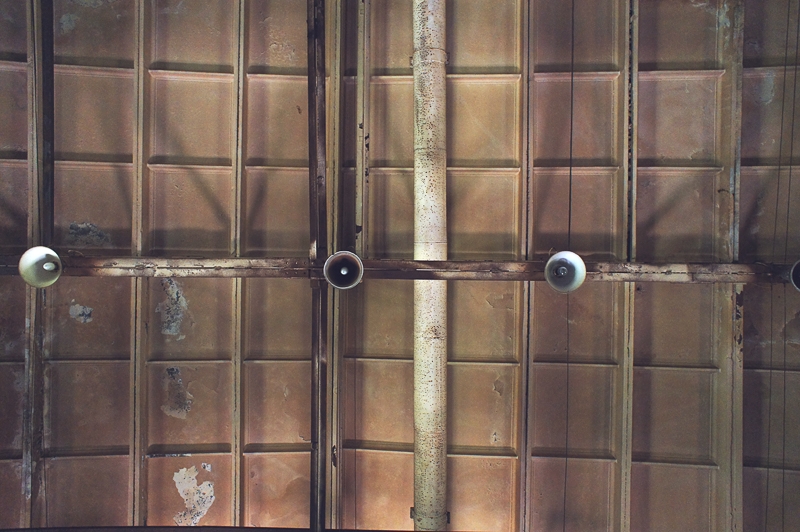
The roof is not wooden anymore.
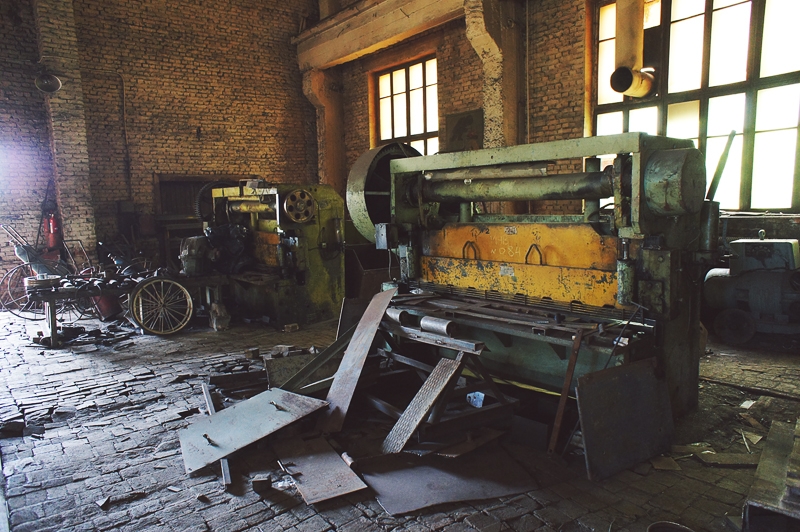
These machines are also not used today.
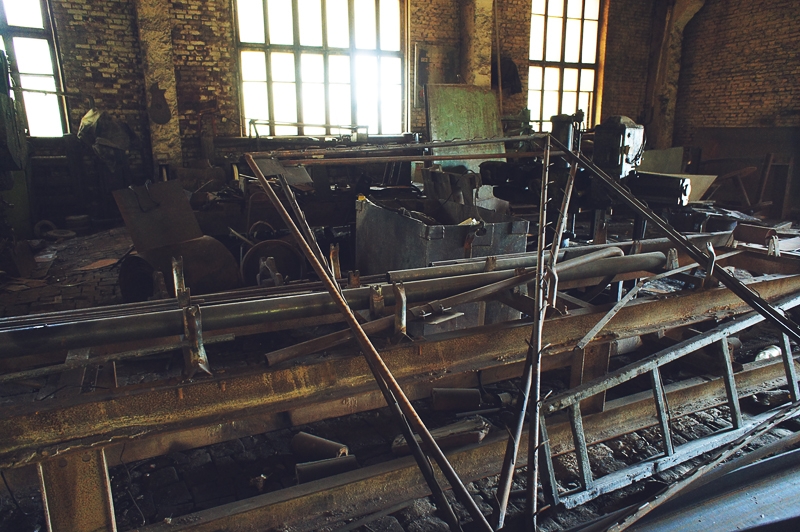
Those very rails we mentioned above.
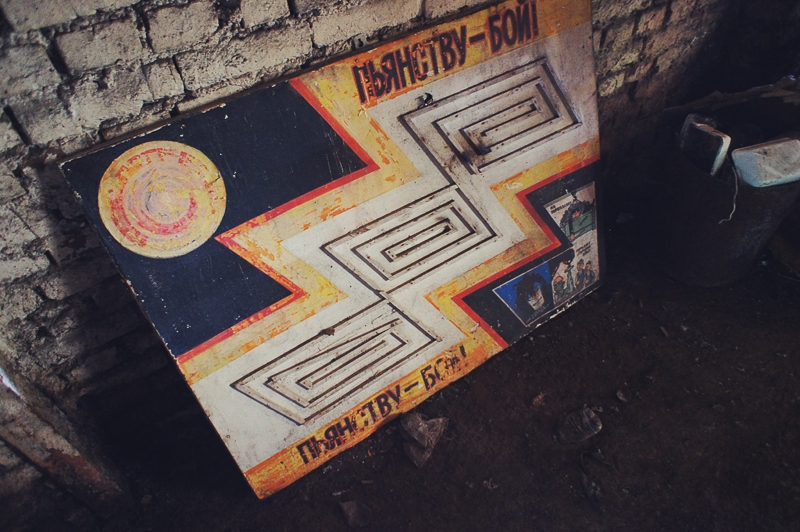
“Drunkenness won’t be tolerated!”
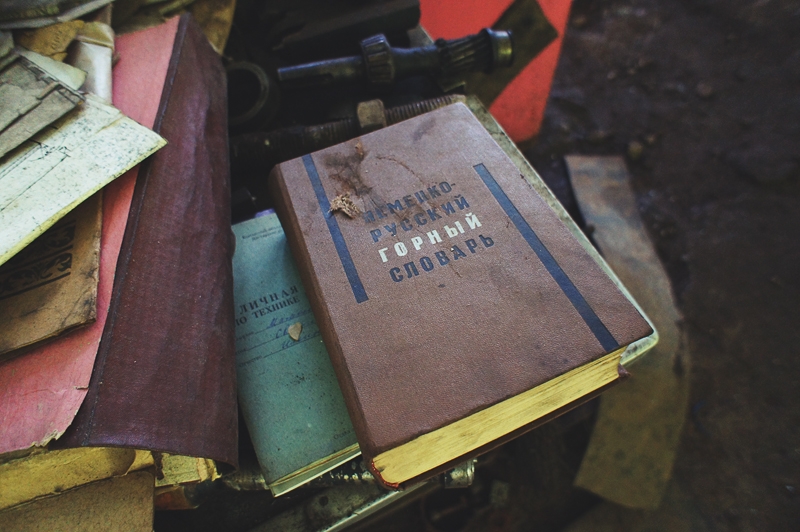
“German-Russian mining dictionary”
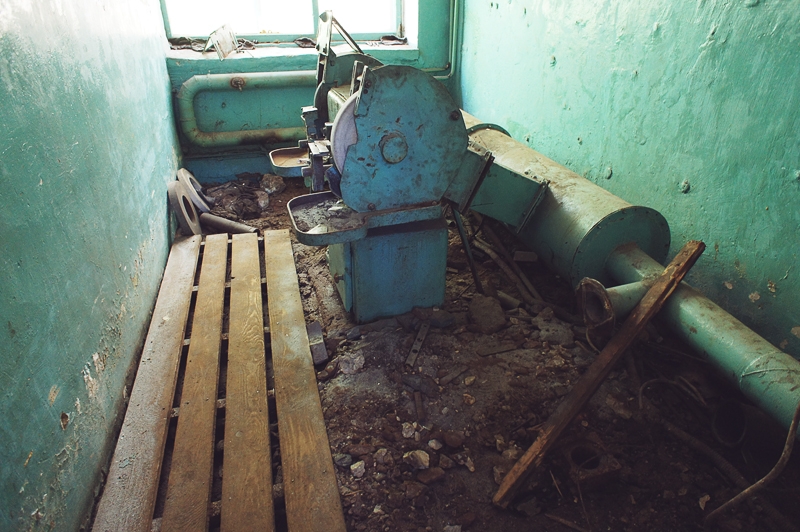
Working place of a grinding master.
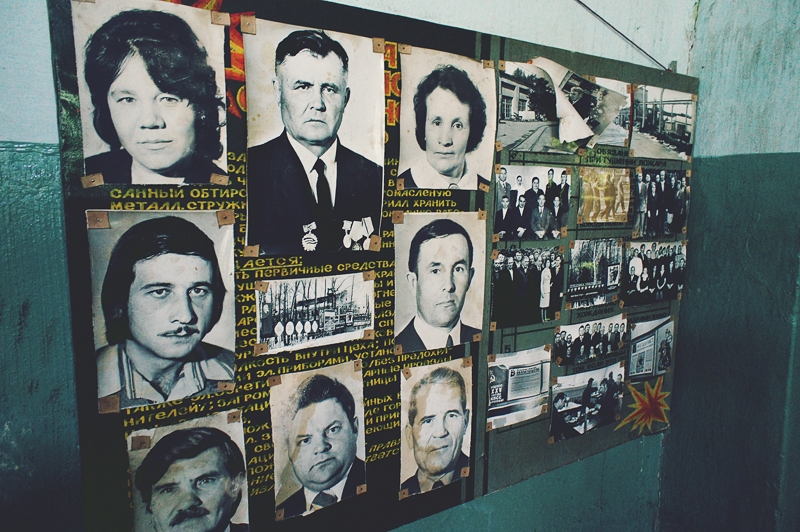
Photos of the best workers were hung in the wall.
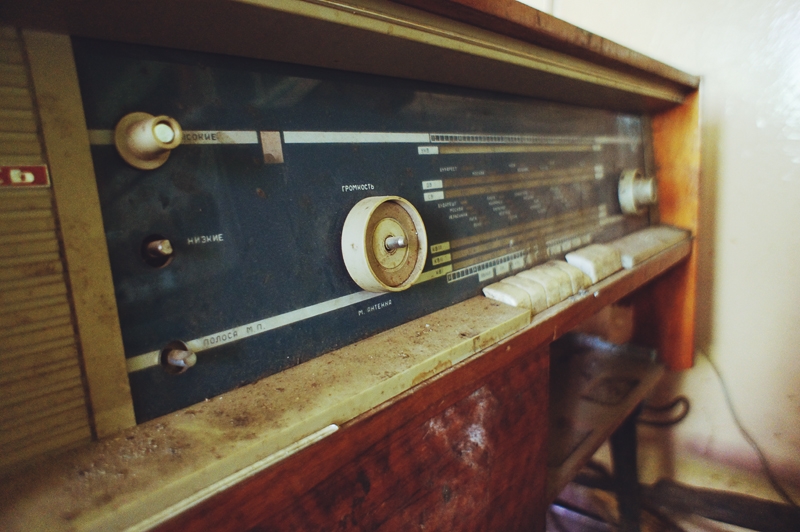
Radio “Belarus” does not work anymore.
We are leaving to go to the administration of the Degtyarsk Mining Group.
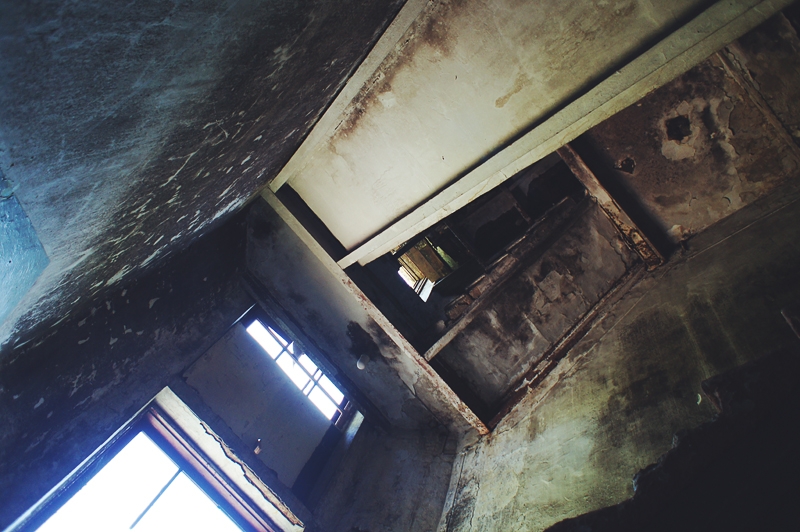
The building has three storeys and for 90% it consists of offices.
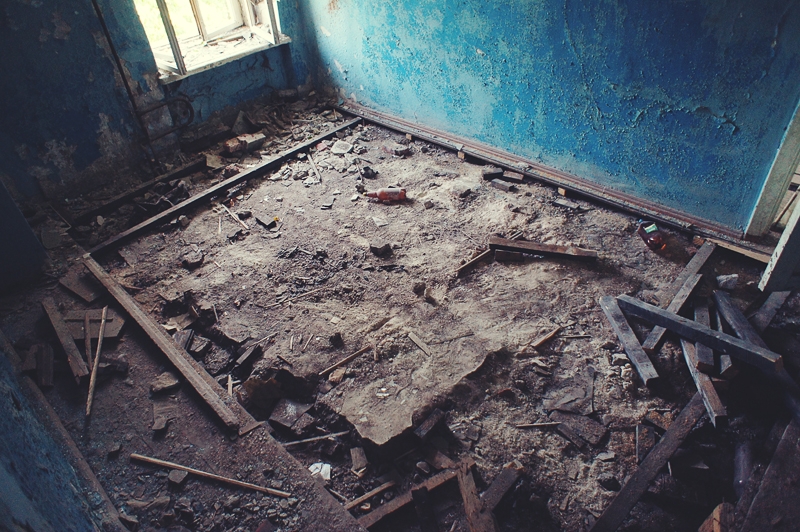
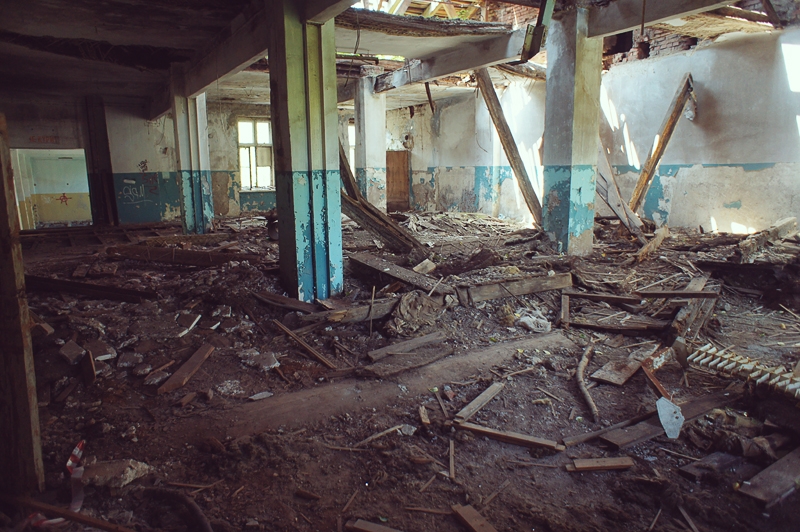
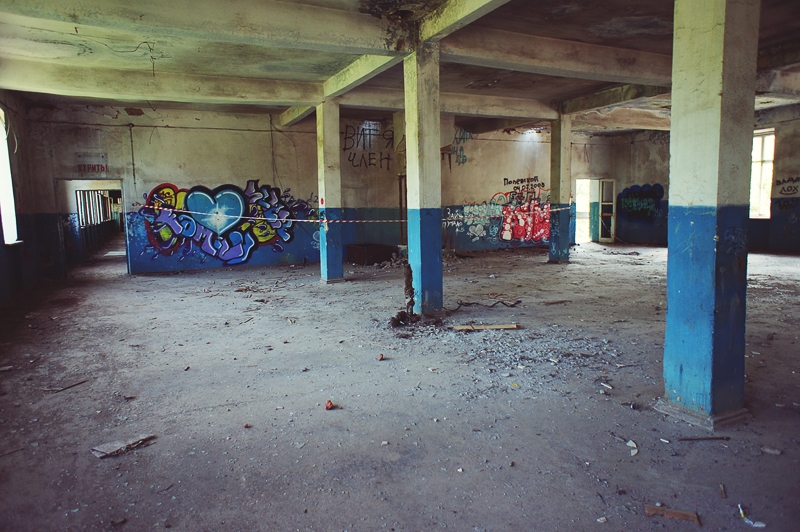
We can’t even say what this hall was used for.
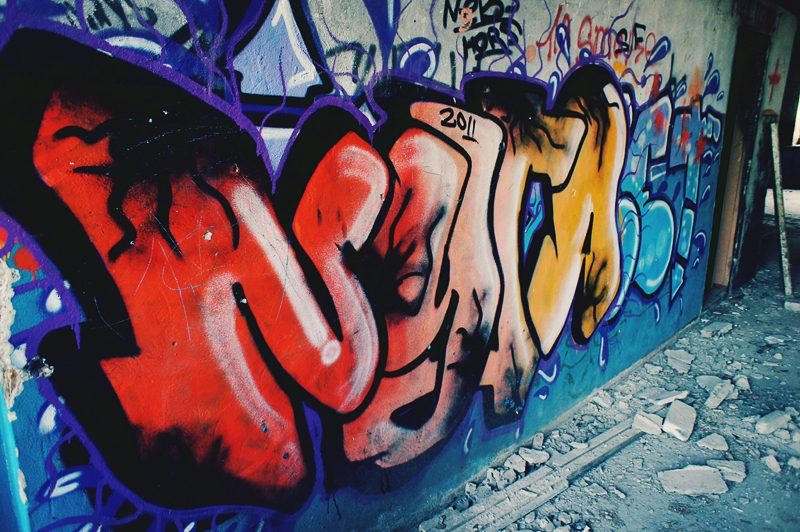
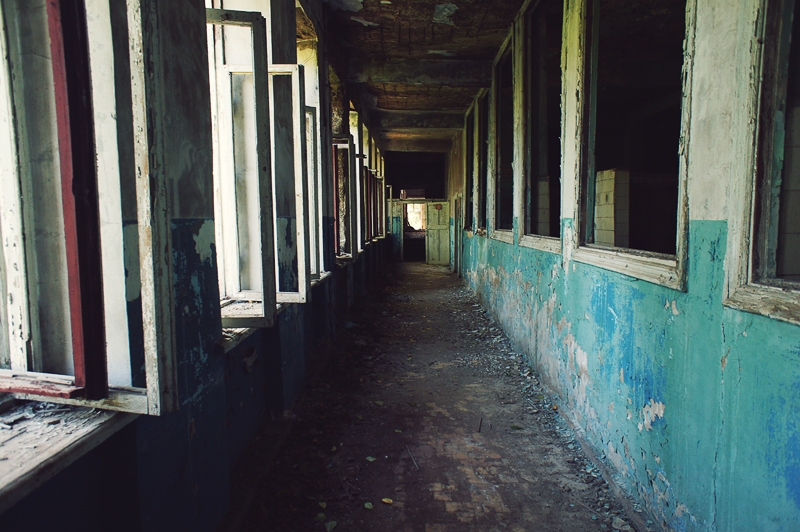
Here’s a long corridor and WC on the right.
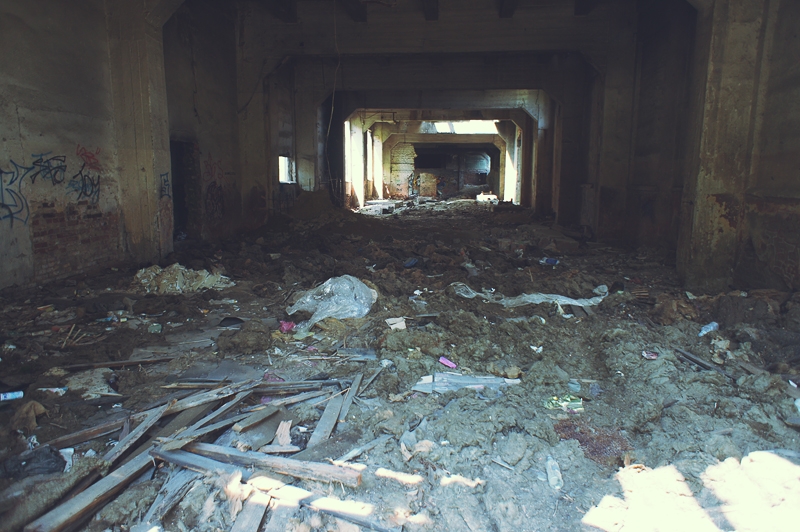
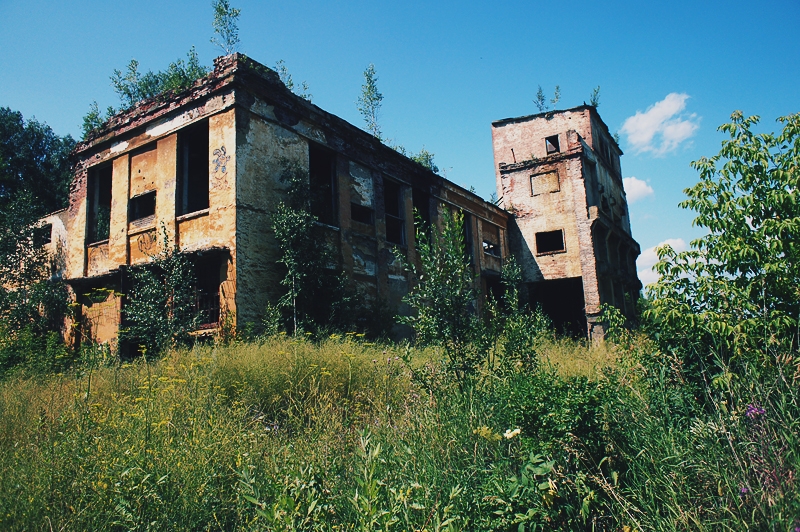
Some hangar was also left abandoned.
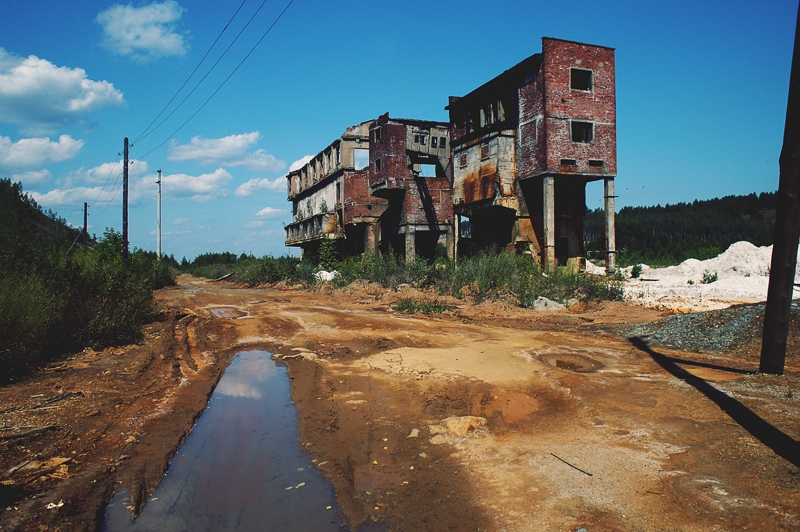
Maybe it is a crushing plant.
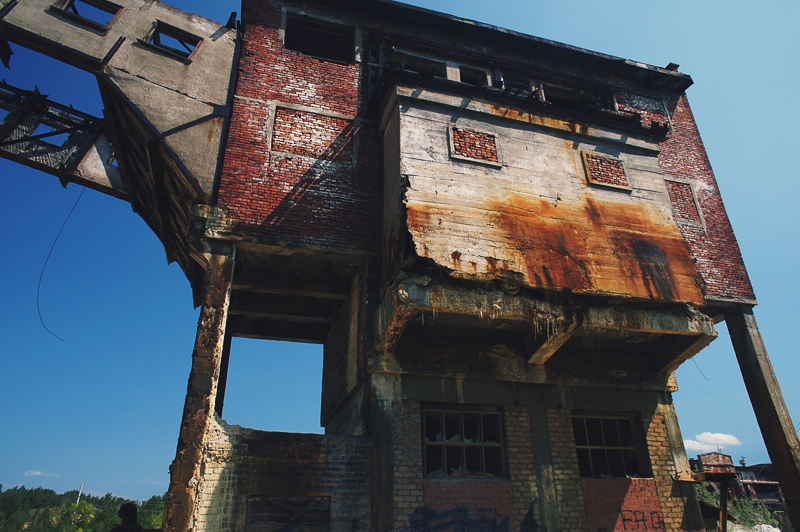
This was a copper mine.
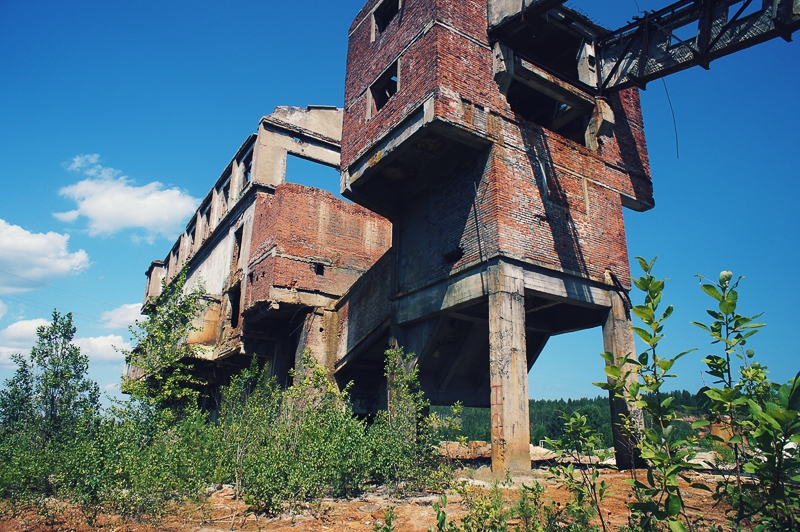
It’s rapidly decaying.
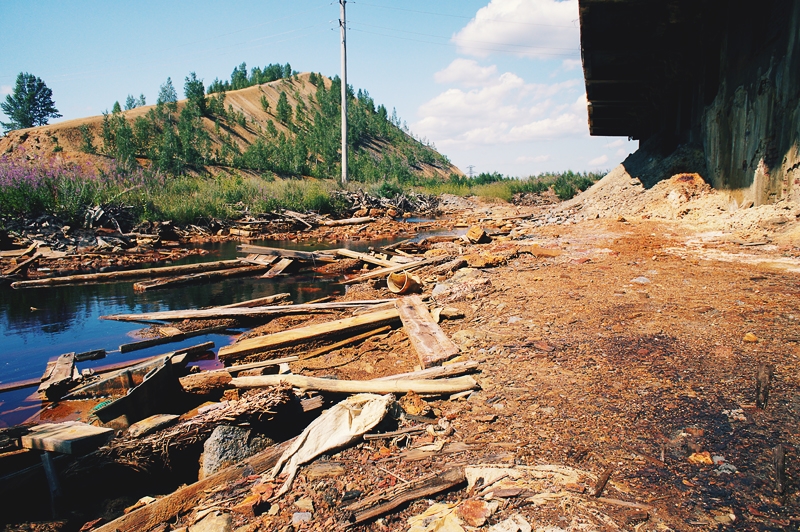
Red sand and a dump.
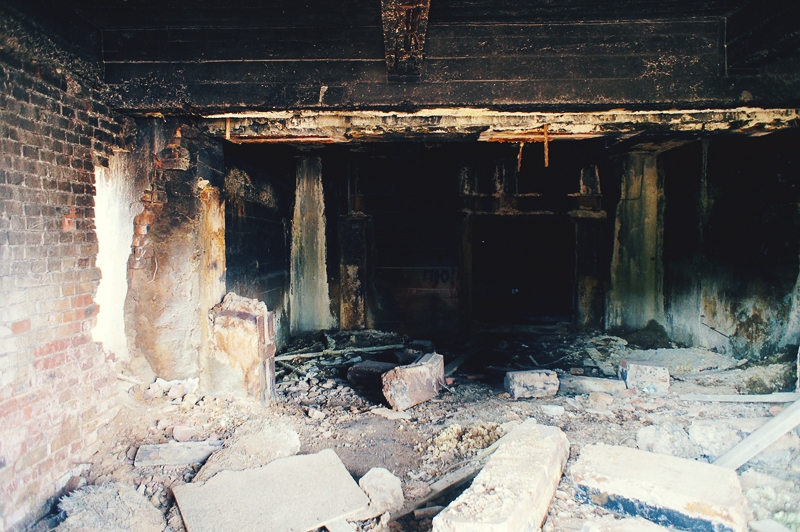
This is how the building looks inside.